
Keno Rikvip is a number-based game built around a straightforward sequence: players select numbers from a predefined board, wait for the draw, and then compare their selections with the numbers that appear in the result. Unlike card games that rely on hand combinations or dice games that use totals, Keno focuses primarily on the relationship between selected numbers and drawn numbers. Understanding this structure makes it easier to follow a round, read the result display, and distinguish between the numbers selected before the draw and those revealed afterward.
The Number Board Forms the Foundation of Keno Rikvip

The number board is the main area where a Keno Rikvip round begins. It contains the available numbers that can be selected before the draw takes place, with each number presented as an individual option. Depending on the version of the game, the layout and selection limits may differ, but the central principle remains the same: a player creates a number set that will later be compared against the official draw.
Numbers Are Arranged Into a Selection Field
A common Rik Vip Keno format uses numbers from 1 through 80, giving players a broad selection field from which to create their chosen set. Each selected number becomes part of the entry for that round, while the remaining numbers stay outside the player’s selection. The number of selections can vary according to the available Keno format, so the information displayed on the game screen should always be treated as the reference for that particular version.
The selection field is more than a simple list of numbers because it defines the pool from which the player’s entry is created. Once the required selections have been made, the chosen values are visually distinguished from the rest of the board. This allows the player to review the entry before the draw begins and confirm that the intended numbers have been included.
Manual Selection and Random Selection
Keno Rikvip may provide different ways to create a number set. Manual selection allows each number to be chosen individually, while a random selection feature can generate a set automatically when that option is available. The difference between these methods concerns how the initial number set is created rather than how the subsequent draw is determined.
Once the selection has been confirmed, both approaches lead into the same basic result-matching process. The selected numbers are compared with the numbers drawn by the system, and the number of matches becomes an important part of the completed result.
The Number of Selections Shapes the Matching Structure
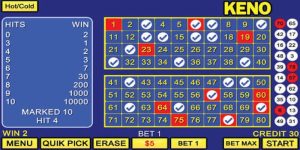
The number of selections matters because Keno results are not determined simply by whether at least one chosen number appears in the draw. Instead, the result is generally connected to how many selected numbers are found among the drawn numbers. A player who selects a smaller set of numbers is therefore working with a different matching structure from someone who selects a larger set.
For example, imagine a player selects six numbers and four of them appear in the draw. The relevant information is the four matches within the six-number selection. If another entry contains eight selected numbers, the same number of matches belongs to a different selection structure. This is why the number of selections should always be considered together with the number of matches when reading a Keno result.
The relationship between selections and matches also explains why the result table is an important part of the interface. The table can show which combinations or matching levels correspond to different outcomes, depending on the specific Keno format being offered. Players should therefore check the displayed rules rather than assume that every Keno version uses identical result conditions.
The Draw Turns the Selected Numbers Into a Result
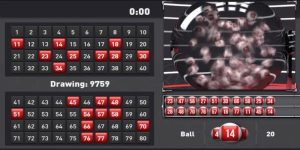
After the selection stage is completed, the game moves to the draw. A predefined group of numbers is revealed, and these values form the official result for that round. In a common 80-number Keno format, 20 numbers are drawn from the available field, although the exact configuration can depend on the particular version being played.
The draw creates a second group of numbers that can now be compared with the player’s original selection. Numbers appearing in both groups represent matches, while selected numbers that do not appear in the draw remain unmatched. This comparison is the central mechanism that turns the original selection into a completed Keno result.
Selected Numbers and Drawn Numbers Serve Different Roles
Selected numbers exist before the draw and represent the player’s entry for the round. Drawn numbers appear afterward and represent the official result generated by the game. Keeping these two groups separate is important because the interface may highlight them differently as the draw progresses.
Once the draw has finished, the two groups can be compared directly. A selected number that also appears in the drawn set becomes a matching number, while a selected number that does not appear remains outside the result. This distinction makes the final result easier to verify without having to rely on the order in which numbers were revealed.
Matching Numbers Become the Key Result Information
After all drawn numbers have been revealed, the system can determine how many of the selected numbers were successfully matched. For instance, if six numbers were selected and four appear in the official draw, the round contains four matches from that six-number selection.
The number of matches can then be checked against the applicable result or payout table. This step is important because the number of matches alone does not necessarily provide enough information to determine the final outcome. The selection size and the rules associated with that selection type must also be considered.
Reading a Completed Keno Rikvip Result
A completed Keno Rikvip result can usually be understood by comparing the original selection with the final draw. The selected numbers should be identified first, followed by the complete list of drawn numbers. The matching values are then the numbers that appear in both groups.
This method is more reliable than trying to interpret the draw as a single sequence. The order in which numbers appear generally matters less than whether they belong to both the selected set and the official result. Once all numbers have been revealed, the matching count provides a clear summary of how closely the selection corresponded with the draw.
Separate the Selection, Draw, and Match Count
Three types of information should be kept distinct when reading the result. The selection represents the numbers chosen before the round, the draw represents the numbers revealed by the system, and the match count represents the overlap between those two groups.
This distinction becomes particularly useful when the interface uses different colors, highlights, or symbols. A number may be highlighted because it was selected initially, while another visual state may indicate that the number has appeared in the draw. Once the round is complete, the interface can combine these indicators to make the matching numbers easier to identify.
Conclusion
Keno Rikvip is built around a simple but structured relationship between selected numbers and drawn numbers. Players create a number set from the available board, wait for the official draw, and then identify the values appearing in both groups. From the selection field and draw process to match counts and result history, each part of the interface contributes to a clearer understanding of the completed round. Once these elements are distinguished properly, following Keno Rikvip becomes more straightforward and the final result can be checked without confusing the original selection with the numbers produced by the draw.
Leave a Reply