
Withdraw money zowin This process requires users to carefully check a lot of information before submitting a request. Even a small discrepancy in the account holder’s name, bank account number, payment method, or revenue conditions can cause the transaction to be delayed. Therefore, members should not rush the process but should review each item in a clear sequence.
Account preparation: Identity, security, balance, and conditions.
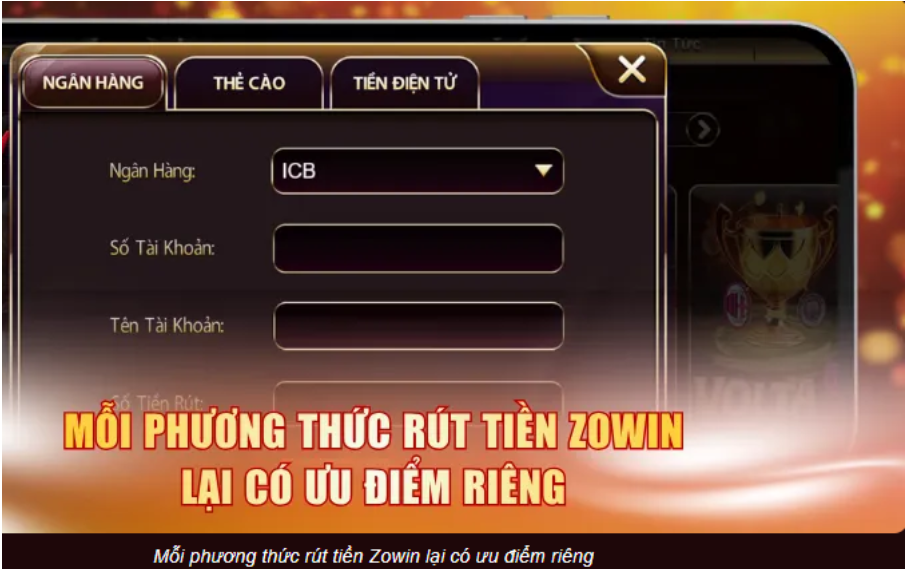
Before making a request, users should check their entire account status instead of just focusing on the amount they want to receive. Unverified profiles, outdated contact information, or insecure passwords can all affect the processing. Additionally, available balances should be distinguished from funds awaiting update or conditional bonuses.
Personal information verification has been agreed upon.
The username in the profile must match the information of the bank account holder receiving the funds. If the system requires identity verification, members should complete it before proceeding with the transaction instead of waiting until the order is paused. Date of birth, phone number, and identification data must also be entered accurately. Do not use someone else’s documents or intentionally alter information to bypass the verification process.
Phone numbers and email addresses are usually used to receive verification codes.
Status notifications or login alerts. Users should ensure they still have control over these contact channels before creating a request. If the phone number is lost or the email address is inaccessible, update it according to official instructions before proceeding. Do not share the verification code with anyone, including those who claim to be support staff.
Distinguish between actual balances and tied-up amounts.
The amount displayed in the account may not be entirely tradable. A portion could be from promotions, giveaway spins, or programs requiring turnover before being converted into available funds. Users should check their balance history and terms and conditions to verify the source of funds. If unclear, review the regulations applicable to the program participated in. Accurately distinguishing between these sources helps members avoid exceeding their actual trading limits or mistakenly believing the system automatically deducts money.
Bank reconciliation: Account holder, recipient number, and payment method.

Bank information is the most crucial part to check, as errors can lead to your request being rejected or requiring further verification. Users should enter data directly from their banking app instead of relying on memory. Bank name, account number, and account holder name must be checked character by character. If the system supports multiple methods, members must select the correct channel linked to their personal profile.
The recipient’s name should match the name registered in the records and be spelled correctly according to the bank’s information.
Differences in the order of full names, accented characters, or abbreviations may cause the system to request a verification. Users should not use accounts belonging to relatives, friends, or intermediaries without clear regulations allowing it. Using the recipient’s own account ensures greater transparency in identifying the recipient. Before confirming, please read the full name again instead of just quickly glancing at the first few characters.
The account number must be entered with absolute accuracy.
An incorrect digit can cause a request to be left unprocessed or lead to a lengthy verification process. Users should copy their account number from the banking app and then double-check it at least once. It’s important to distinguish between account numbers and card numbers, as these two sets of numbers have different functions. Avoid adding unnecessary spaces or characters. If you have recently changed your bank account, you should check that the new method has been recorded and verified by the system before creating any transactions.
Choose the right bank and branch.
The list of banks often contains names or symbols that are very similar, so users need to select the correct institution managing the receiving account. If the interface requests a branch, enter the information provided by the bank instead of guessing. Some systems don’t require a branch but still ask for the correct bank name. Members should check the logo, full name, and identification code, if available. Selecting the wrong institution can cause the transaction to be rejected or put into verification mode.
Complete request: Amount, status, error handling, and responsibility

After verifying the account and bank details, users need to check the amount, applicable fees, and final confirmation. The process doesn’t end immediately upon clicking the submit button, as the transaction may go through pending, processing, or information-requesting states. Members should save the transaction code and track it in the transaction history area to avoid creating additional requests before confirming the status of the initial order.
Enter the amount within the allowed range.
The amount must be within the system’s limits and match the available balance. Users should check the thousands separator to avoid entering incorrect values, especially when working on a small screen. For example, the amount of 500,000 VND needs to be carefully reviewed before confirmation to avoid missing or adding a digit. Members should also check the transaction fee, if any, to know the actual amount received. Do not send the entire balance when there are still transactions or the results have not been fully updated.
Please review the information at the confirmation step.
The final confirmation step usually displays the bank name, account number, account holder’s name, and transaction value. Users should pause to check each item, and avoid clicking repeatedly just because they are familiar with the interface. This is the last chance to detect errors before the request is accepted. If the data is incorrect, go back and edit it instead of submitting and then contacting the support department to cancel. The habit of proofreading significantly reduces data entry errors and avoids wasting time communicating with support later.
Track transaction codes and status.
After creating a request, members should take a screenshot or save the transaction code, submission time, and associated amount. The history section usually shows whether the order is pending, approved, completed, or rejected. Users should not create a new request while an old transaction is still being processed, unless the system notifies them that the previous order has failed. If the funds have not arrived after the announced time, please check your bank history and account status before contacting support with full proof.
Conclude
rút tiền zowin It would be more convenient for users to fully check their profile, balance, turnover conditions, and bank information before creating an order. The account holder’s name, recipient number, limit, and transaction value need to be carefully verified at the final confirmation step. After submitting, members should save the code, monitor the status, and only contact through official channels. Proactiveness, security, and responsible financial management are fundamental to minimizing unnecessary problems.
Leave a Reply