
Gamecock feather colors are often used to describe plumage patterns, traditional breed classifications, and visible differences between birds. 8day presents an informative overview of common colors, cultural interpretations, and practical factors such as body condition, feather quality, and general health when observing gamefowl.
Why feather color gets attention
Gamecock feather colors are visually distinctive and have long been used as descriptive features when identifying different birds. However, color alone does not establish breed, quality, or physical condition.
Traditional color classifications
At 8day , Traditional classifications of gamecock feather colors often use familiar descriptions based on dominant shades, secondary markings, and overall plumage appearance. Red, black, white, and mixed patterns are among the broad categories commonly mentioned in gamefowl terminology. These descriptions can vary between regions, breeders, and local traditions, meaning the same bird may receive slightly different names depending on the classification system being used. Understanding the basic vocabulary makes it easier to compare photographs, breed descriptions, and historical references without assuming that color names always have identical meanings.
Appearance and breed identification
Feather appearance can provide an initial visual clue when identifying a bird, but gamecock should not be considered a definitive breed identifier. Several breeds or lines may share similar plumage, while individual birds from the same genetic background can display noticeable color differences. Other characteristics, including body structure, comb type, leg appearance, and feather pattern, may provide additional identification information. 8day suggests considering multiple visible characteristics together instead of relying on one feature. This broader approach is more useful when distinguishing between similar-looking birds or comparing descriptions from different sources.
Cultural interpretations of feather colors
Different communities have developed their own interpretations of gamecock feather colors, particularly within traditional gamefowl culture. Certain shades may be associated with particular names, lineages, or regional classifications, while others are simply used as convenient visual descriptions. These interpretations are cultural rather than scientific and should not be confused with evidence of physical performance. Doing so helps readers understand why the same color may carry different meanings in different regions while keeping visual description separate from unsupported assumptions about a bird’s capabilities.
 Traditional gamecock feather colors and plumage classifications
Common gamecock feather colors
The range of gamecock feather colors extends from relatively uniform plumage to complex combinations of several shades. Identifying the dominant color and secondary markings can make visual descriptions more precise.
Red and reddish varieties
Red and reddish plumage represents one of the most recognizable categories in traditional gamefowl descriptions. Gamecock feather colors within this group can range from bright copper and deep chestnut to darker red shades, with additional variation appearing around the neck, saddle, or tail. Lighting can also change how the color appears in photographs. 8day recommends describing both the dominant shade and any contrasting markings when documenting a bird. This provides more useful information than simply labeling the entire plumage “red,” particularly when comparing birds with similar but visibly different tones.
Black and dark feather patterns
Black plumage can appear as a dominant color or as part of a more complex pattern. In descriptions of gamecocks, dark feathers may have subtle green, blue, brown, or metallic-looking reflections depending on lighting and feather structure. The visual effect can therefore vary considerably between natural light and photographs. Dark coloration can also occur alongside lighter neck, wing, or tail markings, creating patterns that deserve a more detailed description when identifying individual birds.
White and light-colored varieties
White and light plumage provides another broad category, although completely uniform white feathers are not the only possibility. Some gamecock feather colors may include cream, pale gray, silver, or lightly patterned feathers that appear different depending on lighting and age. 8day recommends checking the entire bird because small areas of darker pigmentation may become visible around the neck, wings, or tail. Feather condition is also important when assessing appearance, as dirt, wear, or damage can temporarily alter the visual impression. Color should therefore be recorded alongside general plumage quality.
Mixed and patterned plumage
Many birds display combinations rather than a single dominant shade. Mixed gamecocks can include contrasting neck and body feathers, barred patterns, mottling, or different shades across the wings and tail. These combinations often make individual birds easier to distinguish visually. A detailed description might mention a dark body with reddish neck feathers or a light base with darker wing patterns. This method creates a clearer record than using a single broad color label.
 Red, black, white, and mixed plumage patterns
Looking beyond feather color
Although gamecock feather colors can help with visual description, a responsible assessment should consider broader physical characteristics. Color is only one part of understanding a bird’s appearance and condition.
Body condition
Body condition provides more meaningful information about general physical status than plumage color alone. When observing gamecock feather colors, readers should also consider whether the bird appears appropriately nourished, alert, and physically comfortable. Visible signs such as unusual weight changes, lethargy, abnormal posture, or difficulty moving may warrant closer attention. 8day recommends focusing on general welfare rather than assigning physical qualities based on coloration. A healthy appearance involves multiple characteristics, and feather shade by itself cannot demonstrate fitness, strength, or any particular behavioral trait.
Breed characteristics
Breed identification requires more than observing gamecocks. Structural features, documented lineage, body proportions, comb characteristics, leg appearance, and other inherited traits may provide more reliable clues when determining breed background. Color can support an identification when it matches established breed descriptions, but it should remain one element within a broader assessment. This is especially important because similar colors can occur across unrelated breeds, while individual birds may also show variations that do not perfectly match simplified breed descriptions.
Feather quality and general health
Feather quality can provide useful information about a bird’s general condition. When reviewing gamecock feather colors, observers can look for clean, intact, evenly developed feathers without excessive breakage, unusual loss, or visible abnormalities. Changes in plumage may sometimes relate to normal molting, environmental conditions, nutrition, parasites, or other health factors. 8day recommends seeking qualified veterinary advice when persistent or unusual feather problems are observed. Color should be considered separately from health assessment because attractive plumage does not necessarily indicate good condition, and dull-looking feathers do not automatically indicate a specific illness.
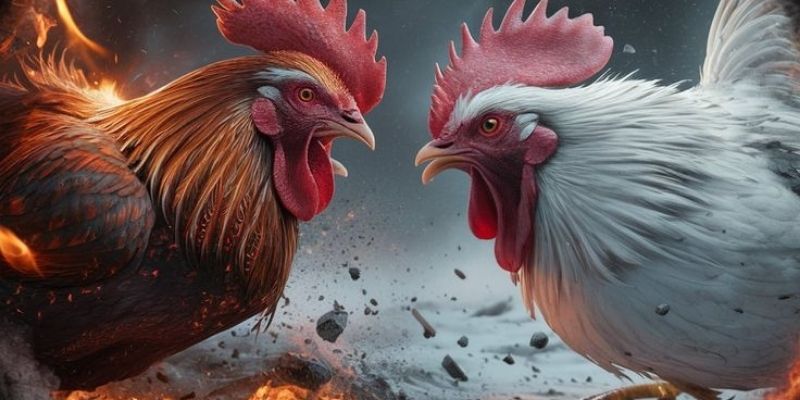 Assessing feather quality and overall bird condition
Conclusion
Gamecock feather colors offer a useful visual vocabulary for describing plumage, traditional classifications, and differences between individual birds. https://8daynew.com/ highlights common red, black, white, and mixed patterns while noting that color alone cannot reliably establish breed identity or physical quality. A more complete assessment should consider body condition, structural characteristics, feather quality, and general health. Traditional interpretations can also vary between regions and should be understood as cultural descriptions rather than scientific indicators.
Leave a Reply