

Signing up for an account shouldn’t be a quick click race, but a neat series of steps you can repeat every day. Once you’ve gone through the right portal, validated your device and network, entered your matching data, and verified it in the validation window, creating an account is a breeze. luck8 become as light as breathing. This article is a practical roadmap to help you stay safe and fast: from clearing the technical “runway”, choosing the right OTP channel for the context, to closing the loop and troubleshooting without losing the beat.

Clean technical background to keep the process from stumbling
A form that displays missing fields or a spinning confirmation page is usually not a result of bad luck, but a messy technical background. A few minutes of cleaning up your device, stabilizing your connection, and locking down your external security loop is enough to make the next steps go smoothly. On your phone, close resource-heavy background apps, clear your cache, and keep enough free space for the operating system to accommodate temporary files. If your device has been running for days, a quick reboot will free up RAM and smooth out screen responsiveness. On your computer, use a dedicated browser profile for account tasks, limit strange extensions, and disable notifications that overlay input fields. With a clean interface, all data fields, confirmation buttons, and statuses will appear in the right place at the right time.
Connections should prioritize consistent latency over peak speed. For Wi-Fi, stay close to your router and use 5 GHz if available; for 4G or 5G, pause photo syncing and background updates while you work. A short ping test will tell you if your connection is “steady”. Consistent latency is the difference between an OTP arriving within seconds and one arriving half a minute late, closing the verification window just as you’re about to see the code.
The outer security perimeter should be locked before you enter any data. Create long, unique passwords and store them in a trusted manager to avoid malicious reuse. Enable two-factor authentication, prioritizing code-generating apps to reduce the risk of SIM swapping and SMS delays. Review the list of logged-in devices, exit unfamiliar sessions, and synchronize system time to match the OTP and event logs. With these core habits alone, you’ve eliminated most of the causes of minor errors at the registration step.
Go to the right release portal and recognize reliable signals
The source of your traffic is your first line of defense. Type in the published home page domain or open the official app instead of clicking on a floating shortened link. Look for the https certificate, lock icon, developer information, terms of use, and privacy policy clearly displayed. A good release page will take you straight to the App Store or Google Play if you need to install the app, won’t force you to download strange installation packages, and won’t ask for irrelevant system permissions. If the interface is misspelled, asks for unreasonable permissions, or navigates through multiple domains, stop and check, because a minute of source verification can save you hours of troubleshooting later.
Once you’re in the right portal, don’t rush to fill it out immediately. Scan the form structure to see which fields are required, which are optional, and what formats are accepted for email, phone number, and full name. The “slow and steady wins the race” in the first thirty seconds will make the rest of the process really quick and easy.
Import duplicate data and standardize contact channels
Matching names is the foundation for a smooth verification process. Your name should match your ID, no fancy characters, no arbitrary abbreviations. Your primary email and phone number should be under your control, not shared or borrowed. If your system supports it, set up a preferred contact channel so that all important codes and notifications go to the same place. Consistent contact channels help the system “recognize you” at any entry point and shorten the time it takes to check.
A password manager is your best friend. It helps you autofill quickly and accurately, avoiding typing errors like invisible spaces or characters that seem similar but are coded differently. Before submitting, do a final scan of the entire form to catch any small errors. This extra care will cut down significantly on the amount of time you have to chat with support if something goes wrong later.
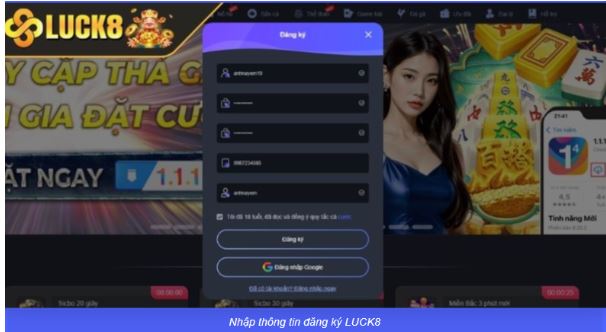
OTP is sent immediately when choosing the right channel in the right context
An OTP isn’t just six digits; it’s the key that gets you through the gate. It works seamlessly when you select the appropriate channel and enter it in the validation window. In areas with poor cell signal, prefer a code generator app or email for greater reliability; when internet is spotty but cell signal is strong, SMS might be a better choice. Regardless of the channel, the principle remains the same: enable important notifications, keep the screen on, and enter the code as soon as it arrives rather than guessing.
System clocks should be automatically synchronized to avoid situations where codes expire on one device but are still valid on another. If codes keep reporting incorrect or delayed, check the system time, switch the receiving channel between SMS and email, check your spam and promotion tabs, and only request the code again after waiting the recommended time. On Android, whitelist OTP and email apps so that notifications don’t get throttled in the background; on iOS, enable important notifications for the verification app to avoid missing a beat.
In a multi-application environment, typing by hand is usually safer than pasting from the clipboard because you can accidentally paste an old string. One sure-handed typing in the right window is always faster than three quick typings and having to ask for a new code.
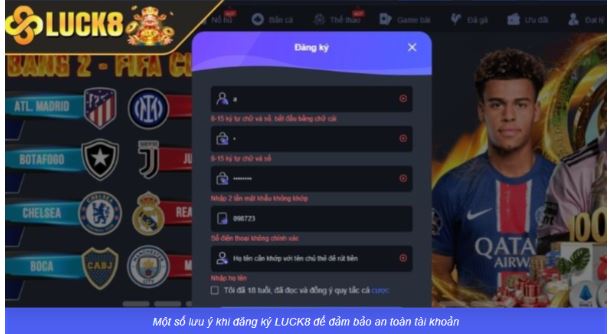
Close the reconciliation loop and save electronic receipts
Sending doesn’t mean you’re done. Keep track of the timeline and status to see where you are on the map. The History section usually shows recorded, in progress, or completed. Compare it to the standard timeframes published by the system to decide when to wait and when to trigger the troubleshooting scenario. Avoid clicking resend before the deadline, as duplicate orders don’t speed things up, they just complicate reconciliation.
Keeping electronic receipts is a small habit that can have a big impact. A photo of the confirmation page, reference code, time of operation, OTP receiving channel, and device used is enough. Name the file by date for quick retrieval. When working with support, this compact set of documents significantly shortens the exchange time and helps keep the issue on track from the start.
Conclude
luck8 đăng ký Security doesn’t require any secret sauce; it requires a series of small, disciplined steps. You clear the technical groundwork, go to the right portal, enter the matching data, choose a contextual OTP channel, enter it in the validation window, track the status, and save the receipt. When all these links are in place, the experience is both smooth and transparent. Let the data guide the way and discipline be the brake; then account creation becomes a steady, clear, and reliable rhythm, opening up future sessions to feel seamless and less disruptive.
Leave a Reply