
Modern athletes don’t rely on press conferences for communication. Like the rest of us, they are on social media. Thousands of athletes have millions of fans and followers, and they can monetize their posts, develop their reputation and manage pressure off the field. This text describes the impacts of these developments. From sponsoring deals to stalking and mental health of athletes, read on to be informed and share this with your sport loving pal.
From Press Rooms to Personal Feeds
Social media transformed sports and empowered athletes to control their own narratives. Now, rather than be confined to describing their athletic careers in long, interrupted video clips, sports figures can share almost everything, from daily training to treks with the family, instantly to their rabid fans. Fans who follow those updates often install the MelBet APK to check live odds and place match bets from a phone. Because of social media, sports figures and their audiences are linked forever.
Direct posting revolutionized sports journalism by bypassing traditional media outlets to gain exclusive scoops. Often, athletes would break the news about their own transfers, injuries, or retirements by posting on their own social media accounts. Traditional media remains pivotal but it is increasingly becoming a source of competition to firsthand accounts. Sports teams and leagues have adopted this model in house by creating dedicated social media units to create, edit and share exclusive clips for their fanbases.
Fan Engagement During the Off-Season
To further engage fans, many athletes, teams, and leagues post game-day stories and live streams in the run up to and during a game. After seeing a star’s post, many supporters open MelBet to browse current odds on upcoming fixtures and popular player props. Using player props and in-game betting, millions of fans also engage live with the game and wager real money on different outcomes and player performance. Many participants find further entertainment and engagement with the casino and online gambling sections that are offered by some sportsbooks.
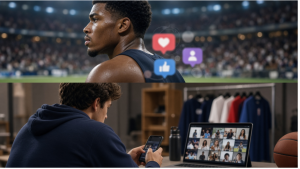
Fan engagement has benefitted many athletes, as it drives up the value of athlete brand endorsers. No person better exemplifies this than footballer, Cristiano Ronaldo, who has a massive following of more than 600 million on Instagram. Many other athletes have smaller followings, but they still have value when it comes to localized sponsorships and charitable work. Quality of engagement is also important, as athletes need to show that their followers are engaged and loyal to increase their brand value.
Personal Brands and Sponsorships
Endorsement contracts with major companies often include a stipulation about the athlete’s social reach. In July 2021, the NCAA modified their rules to allow student athletes in the U.S. to earn money from their name, image, and likeness. Many student athletes quickly promoted businesses via their social media accounts. Below are the primary ways social media enhances an athlete’s income.
- Sponsored posts: Athletes are paid by brands to promote their products to their engaged followers.
- Brand ambassadorships: Long term relationships between a brand and an athlete to promote the brand based on the athlete’s image.
- Personal businesses: Athletes sell merchandise or start a media company.
- Content partnerships: Athletes create content and distribute it on video and/or podcasts and partner with a company to do so.
Traditionally, athletes are limited to income from a single large contract, which is often short lived. The methods described above help athletes reduce their reliance on large contracts. The FTC in the US requires sponsored posts to be clearly disclosed. Athletes work with content teams to create posts that portray the athlete in the most favorable light to protect the athlete’s brand while upholding the investment made by the sponsor. Some sponsored posts are obviously unrelated to the real interests of the athlete and/or unnatural and audiences often notice.
Risks, Rules, and Mental Health
An openness to public engagement builds followings, but it also places athletes at risk for quick, public mistakes. Old posts and careless replies have led to public apologies and sponsor reviews. The desire to monitor and control information flow has led to strict social media policies and increased media training. Emphasis has been placed on protecting fair competition and player privacy.
The instant nature of social media creates a vulnerability to rapid public abuse. Many athletes report receiving abusive comments after poor performance or losses. Abusive messages directed at football and college athletes have also been reported and documented. There is an effort to extend mental health support for athletes, and there is growing evidence of athletes limiting their app use during tournaments, as well as trusting staff members with their accounts.
Various means, including the use of location tags and live posts, can potentially out an athlete’s whereabouts. That’s why security advisers generally suggest holding off on posting for a time, using private family accounts, and reviewing tagged photos. Posting in a way that satisfies fan expectations of authenticity can lead to the need for a public figure to continually share and make themselves available to the public, often leaving them with little to no personal space. It is essential for public figures, including athletes, to set clear personal boundaries from the start of their careers to avoid challenges that are often hard to reverse.
Where Is the Athlete-Platform Relationship Going?
Popularity of short-form videos has influenced how fans discover and consume athletes and sports. It has created an easy way for athletes to post content between major tournaments that happen every 4 years. With the influx of creator tools and monetization features, directly communicating with and building a loyal base of supporters has become easier. Smaller and lesser-covered sports have a lot of potential to grow with these trends, and especially help female athletes who have less coverage and air time.
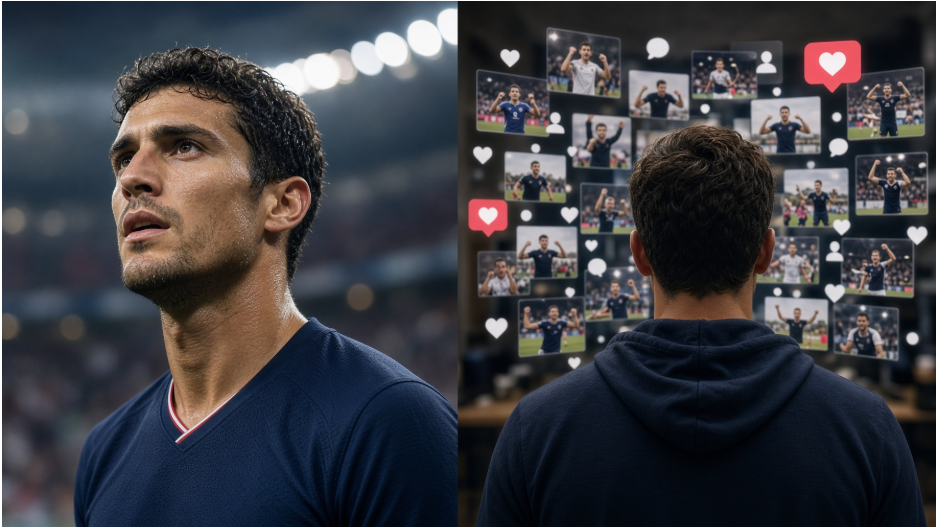
Analytics help quantify which posts drive engagement and which partnerships are effective. While teams and athletes can use this data to inform their marketing decisions, it should always augment the athlete’s voice and not replace it. Further, there is a whole host of new ethical dilemmas brought on by advancements in technology. Edited or faked images and videos can misrepresent reality and cause fans to question whether the person they’re seeing is actually the person they think they’re seeing. Likewise, verified accounts and official channels can help fans determine if the posts or tweets are authorized by the athlete.
The up and coming professional athletes of the world have already cultivated an audience, and learning how to properly monetize that audience is becoming commonplace at a younger age. Teaching athletes best practices when it comes to contracts, disclosures, and online safety can pay off in a big way later in their career. Agents and unions have gotten in on the action too and provide athletes with brand building and marketing education.
Early exposure to digital engagement and marketing allows athletes to utilize online platforms to build and grow their careers. This isn’t to say that athletes aren’t already using online platforms to market themselves. The difference is that athletes who are intentional about their online presence tend to post more meaningful, consistent content.
Final Whistle: Playing the Digital Game Wisely
Social media has gone from a side activity to a central part of modern professional sport. It provides athletes a direct voice and new means of income. Athletes can also connect with fans around the world. However, social media also puts athletes under a magnifying glass. They face online bullying, privacy concerns, strict team regulations, and public scrutiny. To find balance between all these factors, athletes need to be authentic while also protecting their well-being and planning their presence on these platforms. This will help them also build a digital career that lasts.
Leave a Reply