
Football is not only about playing, but is also about having an emblem that means a lot. The symbol, colors, and mascots of the team represent dozens of years of tradition and history of the club. Fans use the same symbols to show their devotion to the team. Get to know why club symbols are so important for fans.
Tradition and History Behind the Club Emblem
Every football club has its crest, which tells a lot about the history and traditions of the region where the club was founded. Most of the time, the club badge represents the heritage, industry, and even the legends of the city where the team plays. The colors and badges of the team do not change much because it would definitely lead to protests from the fans.
Most football supporters follow the performance of the team throughout the season. Some people like to predict the results of the matches or analyze the chances to win and the players’ injuries. If you need to know the odds and the line-ups, visit the MelBet website (Arabic: موقع MelBet) before every derby match. This type of surfing does not have anything to do with true support and loyalty to the team.
How Fans Bring Symbols into Their Online Communities
Nowadays, it is possible to find club symbols everywhere, starting with the profile picture and going up to forum avatars and fan art. It helps fans stay in touch between matches and even for those who are watching the game of their favorite club on the opposite side of the globe. The badge allows bringing the young generation closer to the club they have never seen playing live.
Some of those who support do it for the sports betting platforms and applications as well. The registration process for such sites is not a difficult one and will take just a few easy steps. Following the registration process, supporters will be able to use the MelBet login (Arabic: تسجيل الدخول في MelBet) and see their odds live. It is only a small contribution compared to the real matchday enthusiasm, pride, loyalty, and support.
Meanings Behind Club Badges to Fans
The significance of badges varies depending on the wearer of the symbol. The following is a list of common meanings fans see in their club symbols.
- Identity – Symbolizing a fan’s origin as well as his club affiliation.
- Belonging – Uniting strangers through a similar badge and colors.
- Memory – Celebrating the legacy of club founders, its history, and local traditions.
- Pride – Embracing community spirit and identity, local as well as national.
None of the meanings ever match exactly from one supporter to another. These meanings together help to explain why symbols carry such a powerful emotional significance that lasts decade after decade for all generations of fans.
Symbols of Fan Loyalty Beside Crests
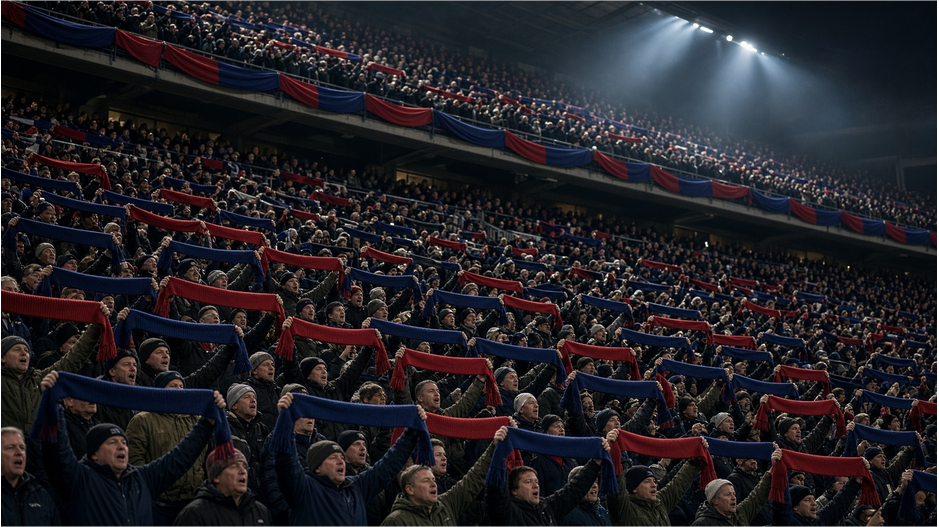
Apart from crests, there are a variety of symbols fans appreciate, including mascots, anthems, and chants. Rituals held in the stadium during each match also contribute to creating a unified fan base. Scarves raised at the beginning of a match are among those rituals.
In combination, these symbols create an atmosphere that is familiar to regular fans of a team. Each fan easily recognizes particular chants associated with certain moments in a match. This creates a stronger bond between those who never officially met and gives visiting fans something to recognize in a strange stadium.
Reasons Why Clubs Never Redesign Their Symbols
The clubs know very well that badges mean more than mere logos for branding purposes. Even the slightest redesign usually provokes protests from fans who have been supporting the club for years. Board members always seek advice from fan groups before implementing even minor visual changes. It demonstrates the importance of the symbols within the football culture.
From history, it is known that even changing the club’s colors could provoke protests. The clubs consider commercially beneficial aspects against emotionally attached aspects before making any change to the symbol. Subtle changes are preferred to complete redesigns that can potentially alienate fans.
How Club Symbols Become Part of Family Tradition
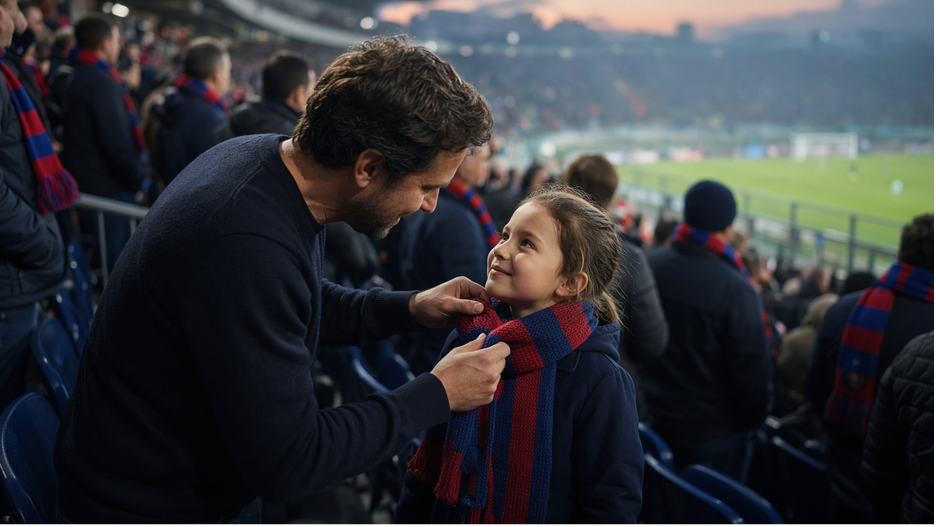
Loyalty to a club becomes a family tradition that is inherited from one generation to another. A shirt or scarf becomes a present when a child sees his/her first match in a stadium. Small rituals transform a symbol into an emotionally valuable item over time. Most fans inherit their club loyalty from previous generations of family members.
Inherited loyalty to a club remains unbroken even when a family relocates to another place. Grandchildren will support the same club that their grandparents supported many years ago. Shared symbols become a topic of conversation during festive meetings of family members.
Symbols as a Source of Value for a Club and Its Surroundings
Clubs employ their symbols in merchandise, sponsorships, and community outreach programs. The badge helps clubs form partnerships outside of their immediate local audience. The table below shows how symbols work in various club activities.
| Area | Role of the Symbol | Example Impact |
| Merchandise | Appears on shirts, scarves, and accessories | Generates consistent matchday revenue |
| Sponsorship | Signals trust and reach to potential partners | Attracts long-term commercial deals |
| Community | Represents the club at local events | Builds goodwill beyond the stadium |
| Media | Identifies the club across broadcasts | Strengthens global recognition |
The above examples demonstrate that, besides emotional significance, there is practical importance behind symbols. Successful management of symbols is likely to ensure strong and lasting community ties.
Symbols are also controlled by clubs in terms of their appearance in digital advertising and streaming. Constant display allows young fans to recognize the badge without attending a match in the stadium. Sponsors often demand strict regulations on how the color and crest must be represented in a new marketing medium. This ensures the preservation of the visual identity of the symbol in each new marketing venue.
Symbols During Challenging Times of the Club
Club symbols become especially important during relegation struggles and financial problems. Fans gather under the symbol showing their support regardless of any troubles of the club. In case of protests against the ownership of the club, one can see the crest on the banners and flags. Thus, there are situations when the symbol means more than support; it represents a form of resistance.
In the period described above, supporters usually emphasize that the badge is something that lasts much longer than any single season. No matter how bad the results are, the symbol remains unaffected by temporary problems. Such dissociation allows fans to remain loyal even in challenging years. Furthermore, it explains why relegated clubs do not lose the major part of their support base.
Rivalries Within Region and Symbolic Significance
Regional rivalries may add special importance to the badge and colors of the club. Derby matches make symbols an obvious representation of rivalry as fans deliberately put on the colors of their team. Thus, symbols become markers of neighborhood or city pride.
This factor is the explanation why symbols are unlikely to be changed after the sale of the club to new owners. The introduction of the new badge would lead to confusion, as it is necessary for rivalry. Thus, supporters require consistency in symbols because the existence of rivalry depends on it.
The Power of an Ordinary Badge
There are many reasons why club symbols last. Symbols represent identity, memories, and connections. They create links between fans of different generations who may never meet. Whether it is presented on a scarf or a mobile device, its meaning will remain unchanged. Most fans will never consider colors and shapes without considering the badge they represent.
Leave a Reply