
Gamecock preparation involves more than creating a daily routine; it requires balanced nutrition, hydration, recovery, hygiene, and regular health observation. SUNWIN presents a practical guide to safe poultry care, helping keep birds in stable physical condition while prioritizing welfare and responsible management.
What gamecock preparation involves
At SUNWIN , Gamecock preparation should focus on maintaining a healthy, active bird through appropriate care rather than excessive physical stress. A structured routine helps owners monitor development and identify problems early.
Conditioning objectives
The main objective of gamecock preparation should be maintaining healthy body condition, normal mobility, and good daily activity. Conditioning can include controlled movement, access to suitable outdoor space, and routine observation without forcing the bird beyond its natural limits. The goal is to support cardiovascular health, muscle maintenance, coordination, and general vitality. Owners should consider the bird’s age, size, existing condition, and environmental temperature when planning activity.
Daily preparation routine
A consistent routine makes it easier to manage because owners can observe changes in appetite, movement, feathers, and behavior. A normal day can include fresh water, balanced feed, clean housing, appropriate activity, and a quiet recovery period. The enclosure should provide enough room for natural movement while remaining dry and well ventilated. Daily checks also provide an opportunity to notice injuries, unusual behavior, or signs of illness.
Role of nutrition and hydration
Nutrition is a central part of gamecock preparation because birds require adequate energy, protein, vitamins, minerals, and water to maintain normal physiological function. Feed should be appropriate for the bird’s age and condition rather than relying on excessive supplements. Fresh drinking water should remain available throughout the day, particularly during hot weather. Sudden dietary changes can disrupt digestion, so adjustments should be introduced gradually. SUNWIN recommends using commercially formulated poultry feed or guidance from a qualified professional instead of unverified feeding formulas.
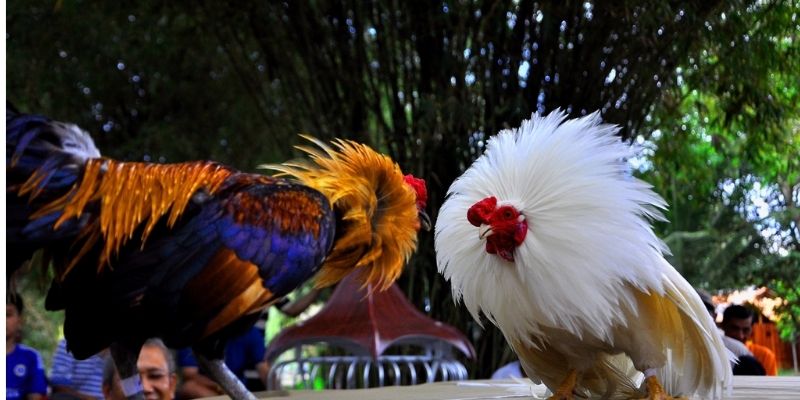
Gamecock preparation with balanced feeding and clean hydration
Building a consistent conditioning program
A safe gamecock preparation program should balance activity with adequate rest. Consistency matters more than intensity, and every routine should be adjusted according to the bird’s health and environmental conditions.
Exercise and stamina development
Safe activity supports normal movement and helps maintain healthy body condition. During gamecock preparation, owners can provide opportunities for natural walking, foraging, and movement within a secure area. Activity should be moderate and appropriate for the bird’s physical condition. Excessive exertion, prolonged stress, or forced exercise can increase the risk of injury and exhaustion. SUNWIN recommends observing breathing, movement, and behavior during activity. If the bird shows signs of distress, activity should stop and the bird should be allowed to recover in a calm environment.
Rest and recovery periods
Rest is essential because physical adaptation occurs alongside recovery rather than through constant activity. A responsible gamecock preparation schedule should provide quiet periods between active sessions and ensure that birds have comfortable, clean sleeping areas. Adequate rest also helps reduce stress and supports normal immune function. Housing should protect birds from extreme heat, cold, rain, and excessive noise. If a bird appears unusually tired or inactive, owners should not increase exercise to compensate. Instead, they should evaluate hydration, nutrition, environmental conditions, and potential health issues.
Monitoring physical condition
Regular monitoring allows owners to identify changes before they become serious. During gamecock, useful observations include body condition, appetite, droppings, feather quality, breathing, movement, and general alertness. A simple daily record can help identify gradual changes that might otherwise be overlooked. Birds that become lethargic, lose appetite, develop swelling, or show abnormal breathing should receive closer attention. SUNWIN recommends treating sudden or persistent changes as potential health concerns rather than assuming they are normal variations in conditioning.
Adjusting the routine over time
A routine should evolve according to age, health, weather, and physical condition. Effective gamecock preparation does not mean increasing activity continuously. Instead, owners should make gradual adjustments when a bird becomes stronger, changes weight, or experiences different environmental conditions. Hot weather may require shorter activity periods and additional attention to hydration, while illness or injury may require complete rest. Any major change should be introduced carefully. If uncertainty exists, professional veterinary advice is preferable to experimenting with demanding routines or supplements.
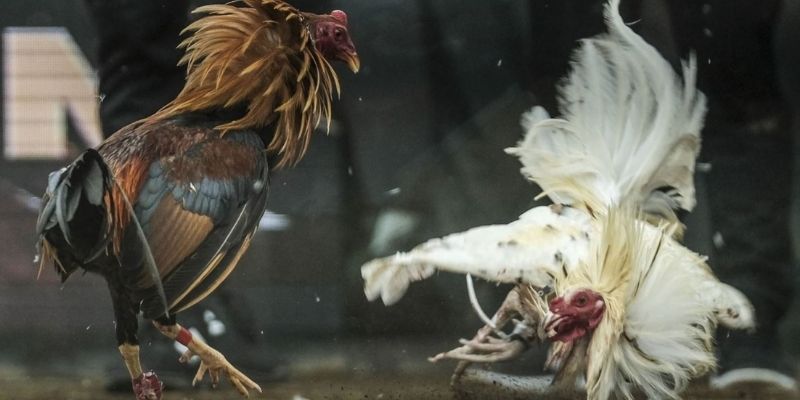
Monitoring poultry activity, recovery, and physical condition
Responsible preparation practices
Responsible gamecock preparation places animal welfare at the center of every decision. Proper housing, preventive healthcare, and timely veterinary attention are essential for maintaining a healthy bird.
Animal welfare considerations
Animal welfare should remain the foundation of gamecock. Birds need adequate space, clean bedding, appropriate ventilation, nutritious feed, fresh water, shelter, and opportunities for normal behavior. Owners should avoid routines that cause unnecessary pain, exhaustion, fear, or injury. Handling should also be calm and controlled, particularly when checking the bird’s body or moving it between enclosures. SUNWIN supports husbandry practices that improve comfort and health rather than encouraging harmful physical stress. A healthy bird should be active and responsive without being subjected to unnecessary hardship.
Health checks and disease prevention
Preventive care is one of the most effective parts of gamecock preparation. Regularly inspect the bird for wounds, parasites, respiratory symptoms, abnormal droppings, weight changes, and reduced appetite. Housing should be cleaned routinely, while feeders and drinkers should remain free from contamination. New birds should be separated from an established flock when appropriate to reduce disease transmission. Vaccination and parasite-control programs should follow local veterinary recommendations.
When professional veterinary support is necessary
Veterinary assistance is appropriate whenever a bird shows persistent or serious health problems. During game, warning signs can include difficulty breathing, severe lethargy, inability to stand normally, significant wounds, persistent diarrhea, sudden weight loss, or refusal to eat and drink. A veterinarian can determine whether the problem relates to infection, injury, nutrition, parasites, or another condition. Owners should avoid delaying treatment because symptoms appear minor at first. SUNWIN recommends seeking professional advice when a bird’s condition changes unexpectedly or when home care does not produce improvement.
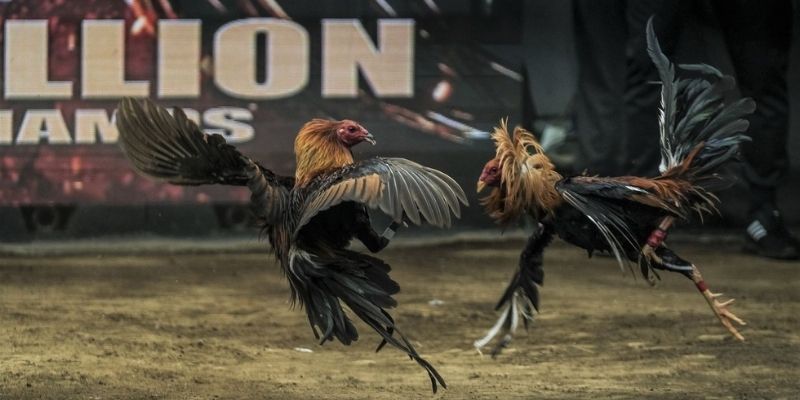
Veterinary health assessment for responsible poultry care
Conclusion
Gamecock preparation is most effective when approached as a structured poultry-care routine built around nutrition, hydration, appropriate activity, rest, hygiene, and health monitoring. https://sunwin.engineer/ emphasizes that responsible management should always prioritize animal welfare and avoid unnecessary physical stress. By maintaining clean housing, observing daily behavior, adjusting routines carefully, and seeking veterinary support when needed, owners can provide healthier conditions throughout the bird’s development.
Leave a Reply